
Employee training programmes are powerful tools for retention, upskilling and reskilling. Employee training programmes are powerful tools for retention, upskilling and reskilling. Taking your company's specific circumstances and needs into account ensures that training focuses on what employees need to fulfil their responsibilities and develop. At the same time, it...
Growth mindset and why it matters so much for business
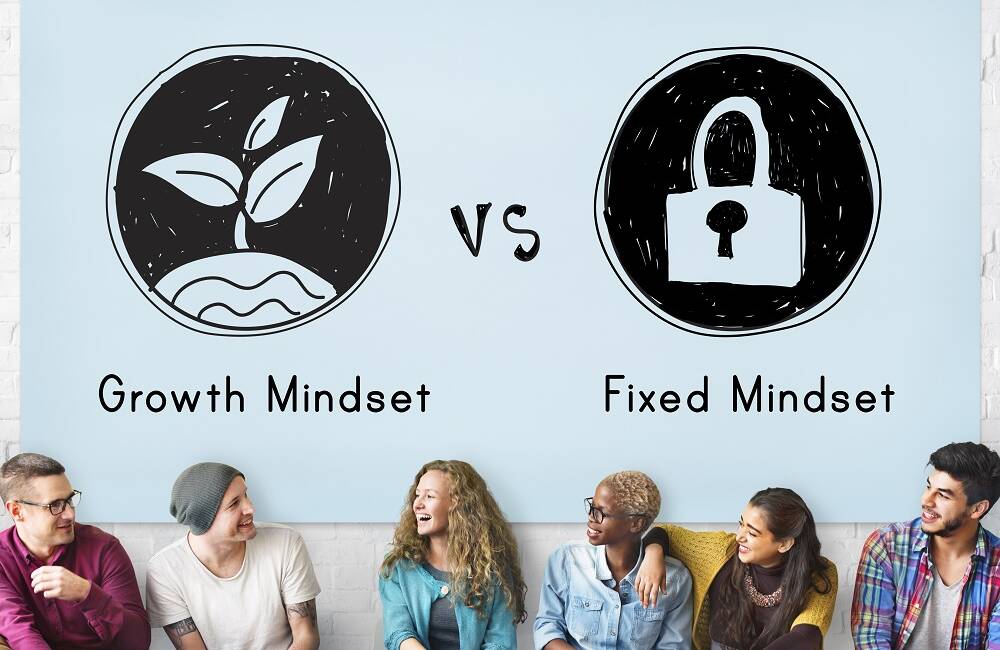
The term “growth mindset” was introduced by Carol Dweck, a professor of psychology at Stanford University. Having a growth mindset means believing that intelligence, talent and skills are not fixed or static. Its opposite is a fixed mindset. “I am not good at maths, foreign languages, drawing, organising or negotiating.”...
Diversity & Inclusion: creating an environment where everyone feels accepted and included

Regardless of gender, age, religion, sexual orientation, social status and other differences. For everyone to bring their best selves to work, a sense of belonging must first be created. Having a connection with an organisation or group of people where you feel able to be yourself leads to greater engagement...
What makes your team unsuccessful?

“If you could get everyone in an organisation rowing in the same direction, you could dominate any industry, in any market, against any competition, at any time.” Patrick Lencioni, author of the New York Times bestseller The Five Dysfunctions of a Team, likes to repeat this as a mantra. Years...
Difficult conversations: how to make them more productive and useful

Any conversation that makes us feel vulnerable, uncertain or simply uncomfortable can be difficult. These are the conversations we are likely to put off. Asking for a pay rise, telling your boss you have found another job, breaking up with your partner or returning a purchase to a shop—sound familiar?...
How women leaders are changing the model

How women leaders are changing the model “This is a man's world,” sings James Brown. He immediately adds: “But it wouldn't be nothing without a woman or a girl.” During the month dedicated to women, we decided to bring you a short series of articles about women. You will find...
Shine bright like a diamond… and start with your LinkedIn profile

Shine bright like a diamond… and start with your LinkedIn profile How to optimise your LinkedIn profile so it not only looks good, but works for you Why have a LinkedIn profile? The professional social network offers many useful resources, first and foremost information. Imagine a huge noticeboard, your polished...
Summer: time for a break… or time for a strategic move?
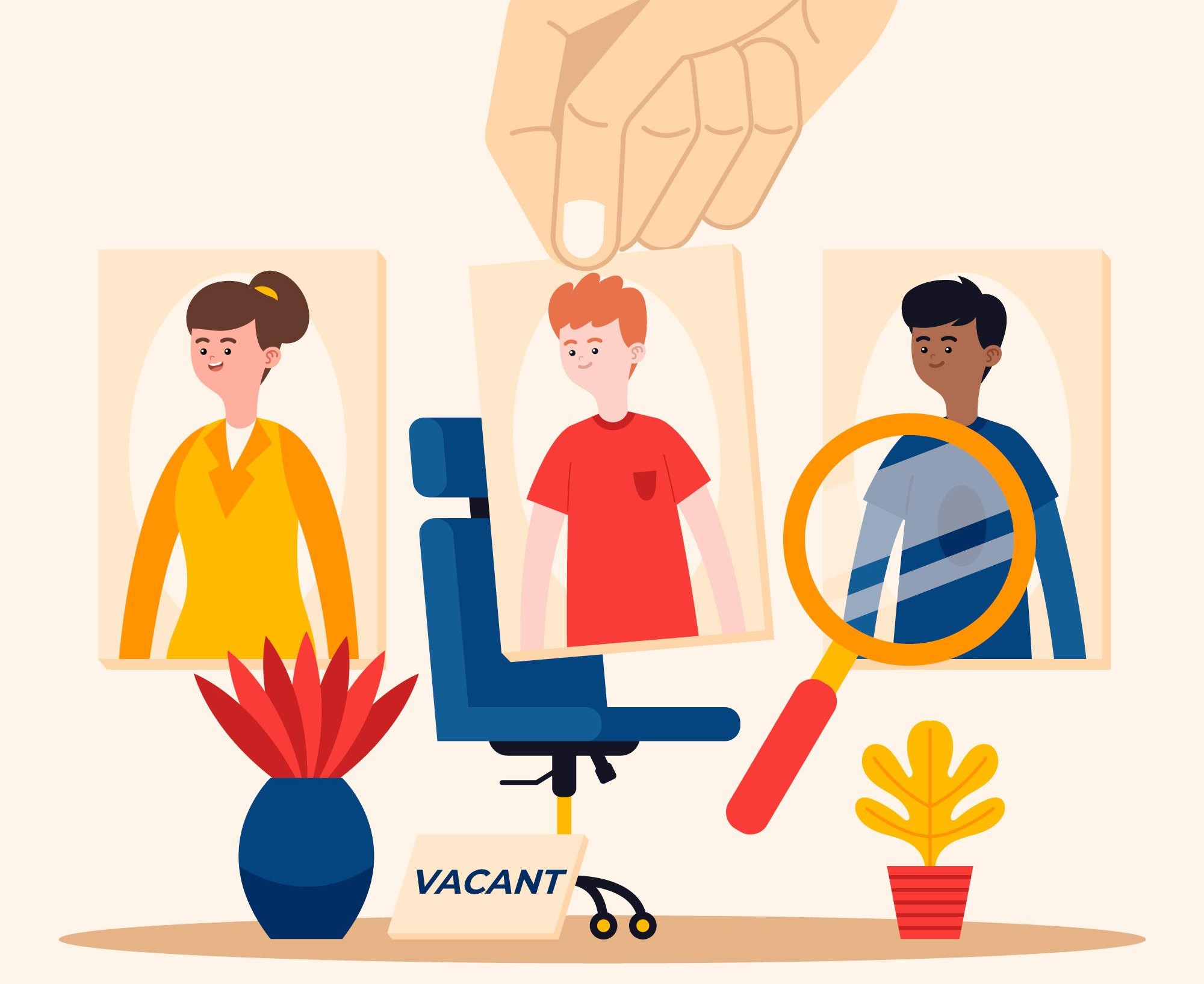
Summer is traditionally seen as the “quiet season” for recruitment. Many companies slow their recruitment processes and plan new hires for the autumn, while candidates focus on holidays and rest. Yet this is precisely where a strategic opportunity lies for employers who think several moves ahead. Less competition means more...
The skills-based organisation: the future is here

More and more companies are moving towards a skills-based organisation. Many people processes, including traditional human resources processes associated with a slower, more stable environment, are trying to meet today's demands for speed and flexibility in business. This challenge highlights the need for organisations to adapt and rethink their approaches...
How to help employees develop a positive outlook | HR strategies for wellbeing and motivation

Research shows that happy employees take less sick leave, are six times more energetic and twice as productive as their least happy colleagues. We are living through undeniably uncertain times, and life is difficult for many people at the moment. Yet with a few changes to our daily routines, most...
How to build a People and Culture strategy

The days when traditional HR methods were enough are gone. There is now a growing shift towards People and Culture—a strategy that puts employees at the heart of the company. This transition is more than a new name or term. It means transforming the workplace into a space where employees...
How workplace stress changes personality: the Big Five traits

How workplace stress affects personality A study published by the University of Illinois suggests that workplace stress can change our personality. Authors Jarvis Smallfield and Donald Kluemper examine five core characteristics that they believe are most strongly affected: conscientiousness, agreeableness, openness to experience, extraversion and neuroticism, known in psychology as...