
Resources
Growth mindset and why it matters so much for business
The term “growth mindset” was introduced by Carol Dweck, a professor of psychology at Stanford University.
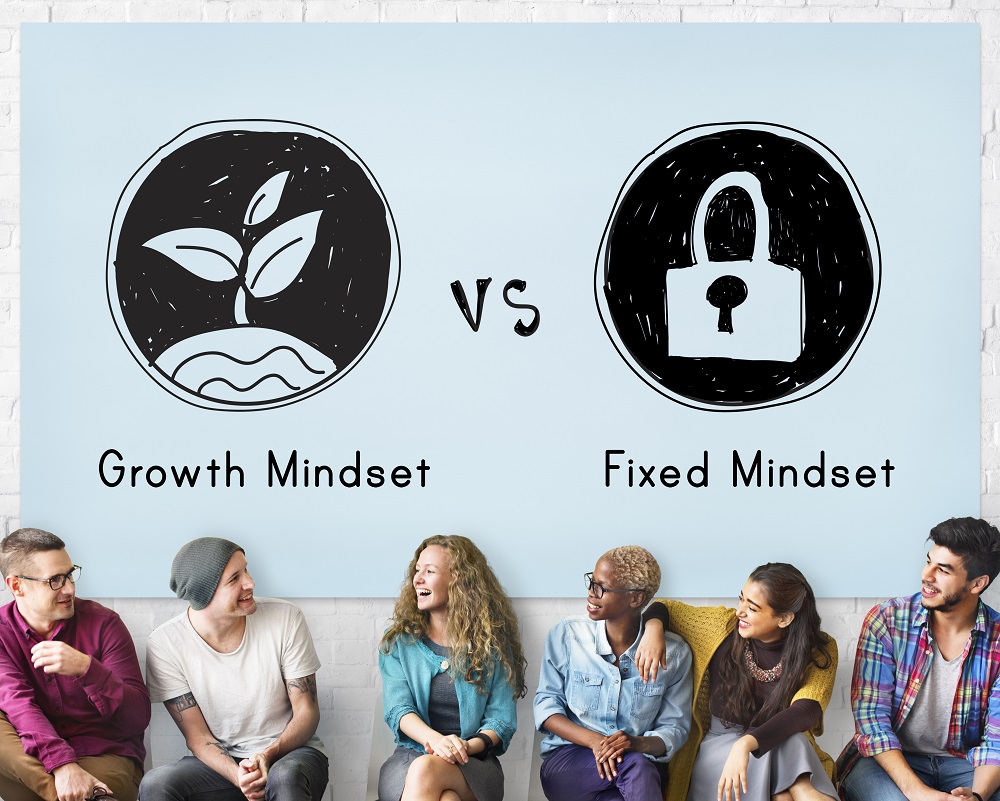
Having a growth mindset means believing that intelligence, talent and skills are not fixed or static. Its opposite is a fixed mindset.
“I am not good at maths, foreign languages, drawing, organising or negotiating.”
“I am not good at maths, foreign languages, drawing, organising or negotiating yet.”
You can hear the difference, can’t you?
Someone with a fixed mindset avoids challenges, gives up easily and feels threatened by other people’s success. This is partly because a fixed mindset sees intelligence and talent as something we “are”, rather than something we develop. It leads to negative thinking. A person may fail at a task and believe it is because they are not smart enough to complete it. Someone with a growth mindset may fail at the same task and believe they need to spend more time practising.
Having a growth mindset means recognising that the human brain is adaptable rather than static. It can learn and improve. When businesses and leaders work with a growth mindset, they seek challenges and accept failure as a positive part of learning and growth. They also cultivate this mindset within their companies by encouraging employees to challenge themselves, learn from successes and failures, and develop.
With the right mindset and support, people are capable of far more than we think. This is Carol Dweck’s key message in Mindset: The New Psychology of Success.
How can we incorporate a growth mindset into our company culture?
Distinguish between productivity and growth
Many companies base their culture on performance and productivity: who makes the most sales, who signs the biggest deal, and so on. Although celebrating business successes is valuable, cultivating a growth mindset also means rewarding effort, attempts and innovation. This creates an environment where employees feel comfortable challenging themselves, trying new ideas and learning from setbacks.
Challenges, failures and learning
It is human nature to feel uncomfortable in a new environment or with a new experience. Learn to recognise and move towards that discomfort. Often, the challenges that make you most uncomfortable prove the most useful. If you have never failed at an endeavour, you may never have tried. Failure paves the way to success through opportunities for growth and learning. When you or those working for you fail, acknowledge and reward the attempt. To cultivate a growth mindset in your company, create an environment where employees are not afraid to fail. Every unfamiliar thing offers a new opportunity for learning and growth.
Feedback: listen and hear
Although we all enjoy praise and compliments, the most valuable feedback encourages improvement rather than a sense of approval. Be open-minded when hearing criticism and use it effectively. If negative feedback tests your patience, give yourself time to consider the comments calmly before taking action. This helps ensure you respond rationally.
Celebrate other people’s success
Feeling jealous or disappointed while watching others succeed, especially when you face challenges, is entirely natural. These feelings are not healthy, however. To encourage and work with a growth mindset, you need to feel sincerely happy about others’ successes and achievements. A growth mindset seeks improvement in all areas, not only your own endeavours. Let other people’s success encourage you by thinking, “If they can do it, so can I.”
Switch off the fixed mindset
Too young, too old, too inexperienced or not sufficiently educated? Judging someone’s suitability for a job this way is a major mistake arising from a fixed mindset. Someone you consider “too something” to do the job properly may have the fresh perspective needed to do it better. Give all employees training tools and resources so they can keep learning; this will help your business. A fixed mindset also limits business growth through tradition and/or rigid policies and procedures. Be open-minded about how you do business. Just because your method has proved itself over the years does not mean it is the only one, the fastest-developing one or the best. A growth mindset brings different perspectives, approaches and results.